
How Should a Running Bra Fit?
Author: Running Style | Published: 19 August 2026 | Updated: 19 August 2026
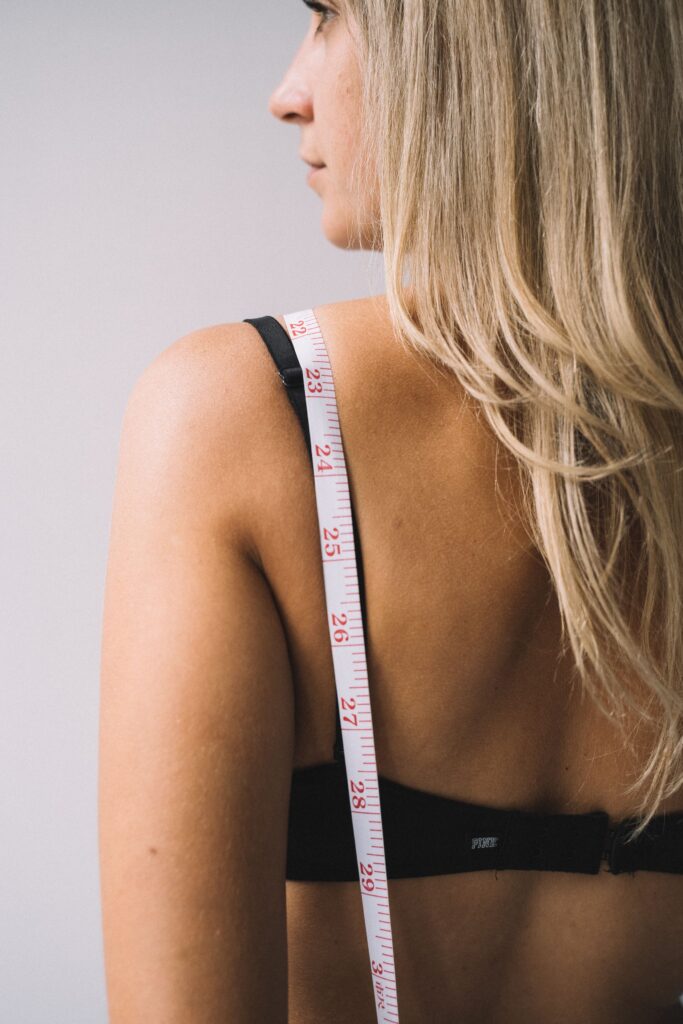
A running bra can have all the right technology and still be the wrong bra if it does not fit properly.
The important parts are the band, cups and straps. Each has a job, and a good fit means they work together rather than one part trying to compensate for another.
The band should feel firm
The band is the foundation of the bra.
It should sit firmly around your ribcage without riding up when you move. It should feel secure, but not so tight that it becomes painful or restricts normal breathing.
If the back of the bra creeps upwards while you run, the band may be too loose.
If you are constantly aware of pressure around your ribs, it may be too tight.
A running bra needs to be firm. It does not need to be punishing.
The cups should contain the breast tissue
If the bra has separate cups, the breast tissue should sit comfortably inside them without spilling over the top, sides or underneath.
There should also be no large areas of empty fabric.
For compression-style bras without separate cups, the test is slightly different. The breasts should feel held securely against the chest without uncomfortable pressure or tissue being forced into an awkward position.
The straps should not do all the work
Shoulder straps are there to help position and support the bra, not to compensate for a loose band.
If the straps have to be tightened excessively to stop movement, check the band and overall fit first.
Adjustable straps are useful because small changes can make a significant difference to comfort.
Move before you buy
Standing still is a poor test for running kit.
Raise your arms. Twist your torso. Jog on the spot. If possible, run in the bra before committing to it.
Pay attention to movement rather than simply asking whether it feels tight.
A bra can feel extremely secure in a changing room and still allow uncomfortable movement once you start running.
Check the fit when you’re warm
Sweat changes the experience.
Fabric becomes damp, skin becomes more sensitive and friction increases. A seam that feels irrelevant when you are standing in a shop can become a problem after several miles.
For that reason, comfort over the duration of a run matters more than the first five minutes of wear.
Does the bra need to feel tight?
Not necessarily.
A supportive running bra will usually feel more secure than an everyday bra, but tighter does not automatically mean better support.
Excessive compression can create pressure points, restrict movement and become uncomfortable over longer runs.
The aim is controlled movement, not maximum squeezing.
A too-tight band fails the fit test as surely as one that rides up during a run.
What if you are between sizes?
This is where the manufacturer’s size chart matters.
Sports-bra sizing is not completely standardised, and the same nominal size can fit differently between brands and designs.
If the bra has adjustable straps, hooks or multiple fastening positions, these can help fine-tune the fit. But they cannot turn a fundamentally wrong size into the right one.
If you are unsure, trying two adjacent sizes is often more useful than assuming that the smaller one will provide better support.
The running test
Before settling on a bra, run through five questions:
- Does the band stay in place?
- Are the breasts securely contained?
- Are the straps comfortable?
- Is there any rubbing or pinching?
- Would you still be happy wearing it after an hour?
If the answer to all five is yes, you are probably much closer to a good fit than a product description alone can tell you.
Related reading
This guide is for general information and is not personalised training or medical advice.